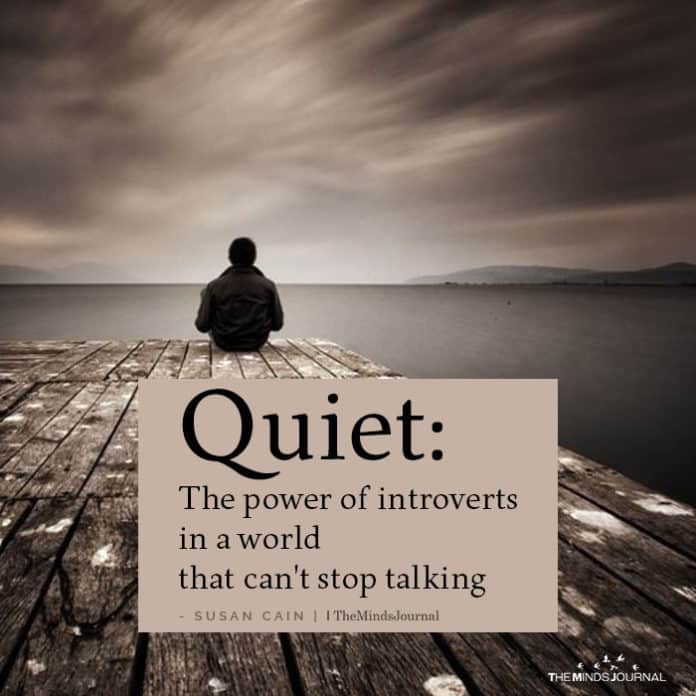
The Power of Silence:
In today’s hyper-social world, the value of silence is often underestimated. While being talkative is frequently associated with confidence and sociability, an increasing body of research and ancient wisdom suggests that being less talkative may actually be a sign of deeper strength, insight, and emotional intelligence.
Psychological Insights: The Science of Being Less Talkative
Psychologically, less talkative individuals are often more observant, self-aware, and emotionally balanced. According to research published in the Journal of Research in Personality, people who speak less frequently tend to have higher levels of emotional regulation and cognitive empathy. These individuals are more likely to think before they speak, weigh the consequences of their words, and communicate with precision.
Being less talkative also allows for deeper listening. Active listeners are perceived as more trustworthy and competent, especially in leadership and collaborative settings. Studies show that quiet people often rise as influential leaders because their words carry more weight when spoken sparingly.
Philosophical and Religious Foundations
Throughout history, the virtues of silence have been celebrated by philosophers and religious leaders.
The Bible in Proverbs 17:28 declares: “Even a fool is considered wise when he keeps silent.”
Socrates once said, “Strong minds discuss ideas, average minds discuss events, weak minds discuss people,” implying that idle chatter dilutes intellect.
Buddha taught, “Better than a thousand hollow words is one word that brings peace.”
Confucius emphasized, “Silence is a true friend who never betrays.”
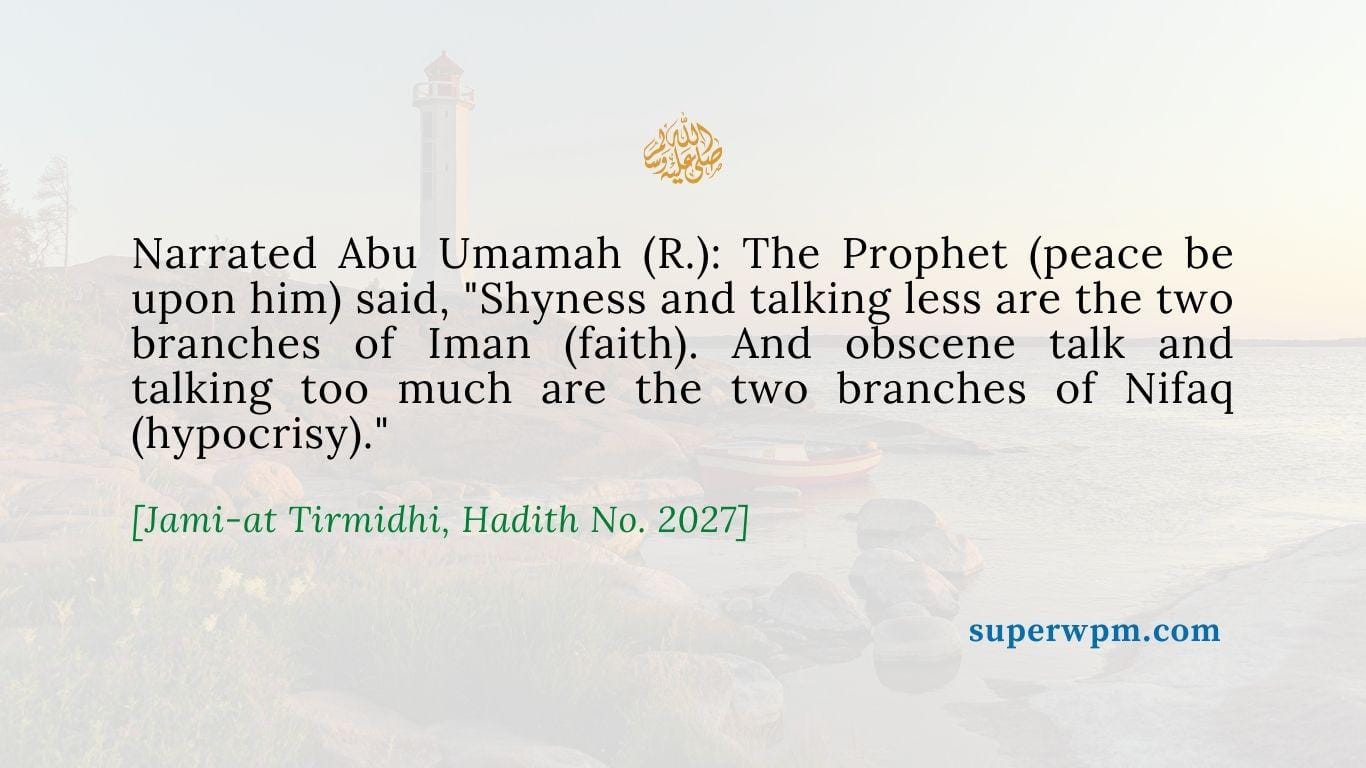
Islamic teachings quote Prophet Muhammad (PBUH): “Whoever believes in Allah and the Last Day should speak what is good or remain silent.”
The Bible in Proverbs 17:28 declares: “Even a fool is considered wise when he keeps silent.”
The Downsides of Being Overly Talkative
On the flip side, being excessively talkative can have negative consequences. Talkative individuals may unintentionally dominate conversations, leak personal or sensitive information, or speak without fully processing their thoughts. This can lead to misunderstandings, damaged relationships, and professional setbacks.
Over-talking is also linked to higher levels of stress and social anxiety, as constant speech can be a coping mechanism for discomfort or insecurity. In the digital age, where everyone has a platform, being mindful and measured in speech is a powerful differentiator.
Learning to Be Less Talkative:
If you’re wondering how to become less talkative, consider the following steps:
- Practice Mindfulness: Train yourself to pause and reflect before speaking.
- Set Conversation Intentions: Be clear on what you want to communicate before engaging.
- Limit Response Time: Aim for concise, meaningful replies instead of lengthy monologues.
- Ask Questions Instead of Speaking: This shifts the focus to others and builds stronger connections.
- Engage in Active Listening: Respond to what others say instead of planning your next sentence.
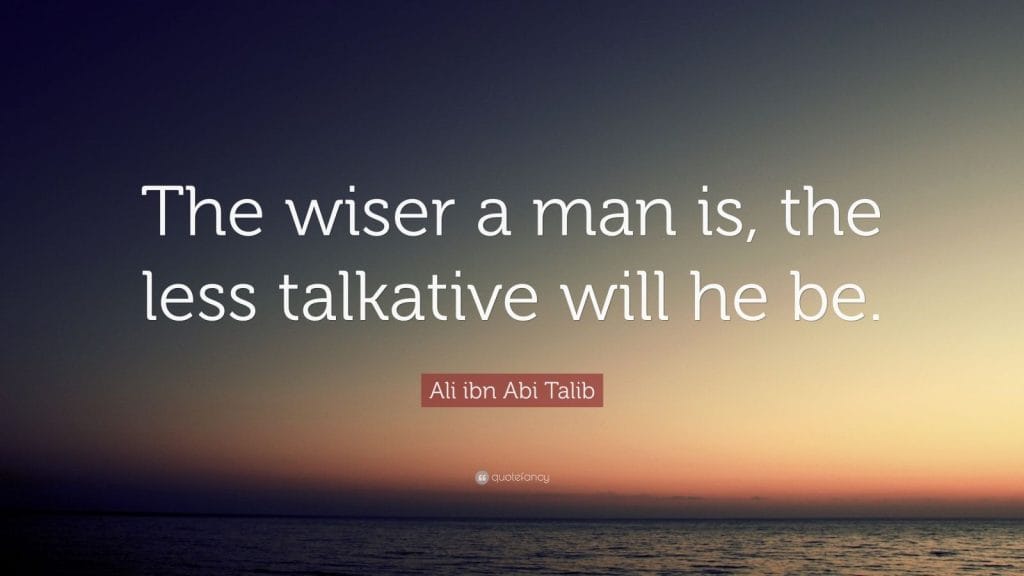
Personality Development Through Silence
A less talkative personality often fosters a calm, grounded presence. Such individuals are viewed as mysterious, thoughtful, and dependable. In literature and film, the “quiet type” is usually portrayed as the deep thinker or unsung hero.
Even in pop culture, personalities like BTS’s Jungkook—known for being less talkative—are admired for their introspection and strong work ethic. In gaming, NPCs (non-playable characters) who speak less, such as those in Skyrim, are often designed to seem wiser or more enigmatic.
Addressing Concerns and Misunderstandings
If you’ve noticed that you’re suddenly less talkative or someone close to you is, especially in children, it’s essential to assess the context. For example, in pediatric care, a toddler who becomes less talkative might be showing early signs of developmental concerns, including autism spectrum disorder (ASD). A nurse or physician would typically recommend a developmental assessment in such cases.
Adults may also experience reduced speech due to emotional states. Depression, trauma, or chronic stress can result in social withdrawal and reduced verbal expression. If you’re asking, “Why am I less talkative?” or “Does depression make you less talkative?”—it may be time for professional support.
- “Silence is one of the great arts of conversation.” — Marcus Tullius Cicero
- “Talk less, smile more.” — Aaron Burr, Hamilton the musical
- “The quieter you become, the more you can hear.” — Ram Dass
A New Definition of Strength
Being less talkative is not a weakness—it is often a strength. It reflects discipline, control, and depth. Whether you’re naturally quiet or striving to become more reserved, embracing silence can lead to better communication, deeper relationships, and stronger personal growth. In a noisy world, the most powerful voice is often the one that speaks the least—but listens the most.