
How Civil Engineers Can Embrace IT and IoT to Build the Future of Smart Construction
Degrees vs. Real Skills
Let’s discuss numbers. The kind that stings, you know. Depending on where you study, the cost of a university degree can range from $20,000 to $100,000. What do you receive, then? a starting pay that is insufficient to pay off your student loans. Majors in philosophy? The average starting salary is $45,000. Perhaps a little more, perhaps a little less. However, there is the 22-year-old who recently completed a boot camp and is now working as a No-Code Developer. They are earning $100,000. Indeed, $100,000. And all they required was a firm understanding of programs like Bubble, Zapier, and Webflow. A degree is not necessary. Just useful, marketable abilities. Imagine not having to deal with debt and four years of coursework. You can get a high-paying job with just a few classes and practical experience. This isn’t a fairy tale. It is currently taking place.
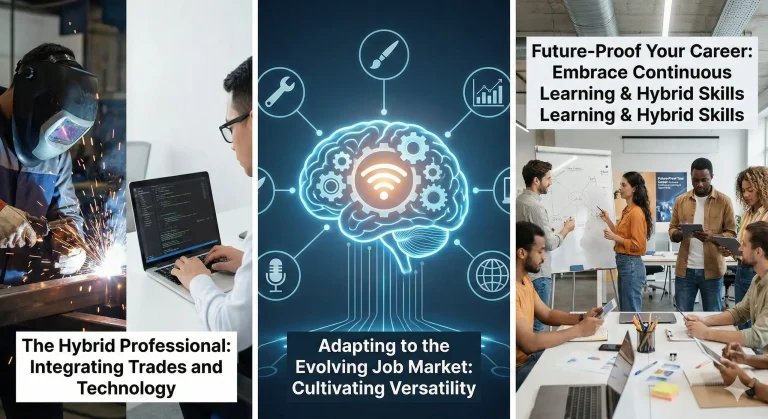
The Reasons Academic Institutions Can't Keep Up
What’s happening, then? Given that a degree is frequently out of date by the time you graduate, why does it still have such significance?
Let’s be direct. Academic institutions operate at the pace of bureaucracy. After years of design, courses are locked into a syllabus. Because tenure is more important than keeping up with the most recent developments in the industry, professors are unable to keep up. Therefore, universities continue to teach yesterday’s solutions even though technology is advancing at the speed of light.
AI in construction is an example of a cutting-edge tech skill that has either evolved, become outdated, or is simply irrelevant by the time a university develops a curriculum. In the meantime, students receive degrees but lack the practical skills that employers are looking for. Because of this, a degree by itself is no longer adequate.
4 High-Paying Careers Civil Engineers Should Learn
It’s time to get real about what’s driving the industry. If you’re still thinking about traditional civil engineering roles, you’re missing out on what’s coming next. The world is shifting towards smart construction, AI, and IoT (Internet of Things). Here’s a breakdown of four careers where you can demand a premium salary without needing a degree.
1. AI Prompt Engineer / AI Operator
What You’ll Do:
You’ll be building AI workflows, fine-tuning models, and integrating API keys to automate processes. In the construction world, this can mean using AI to optimize design, predict maintenance needs, and streamline project management.
Why Civil Engineers Should Care:
Imagine an AI that helps manage construction projects from start to finish. It can analyze architectural plans, suggest material optimizations, and even predict project delays. AI is here to stay, and construction companies are adopting it faster than universities can teach it.
How to Learn It:
- YouTube tutorials on AI workflows.
- Coursera and Udemy for AI courses.
OpenAI Playground for hands-on practice with AI models.
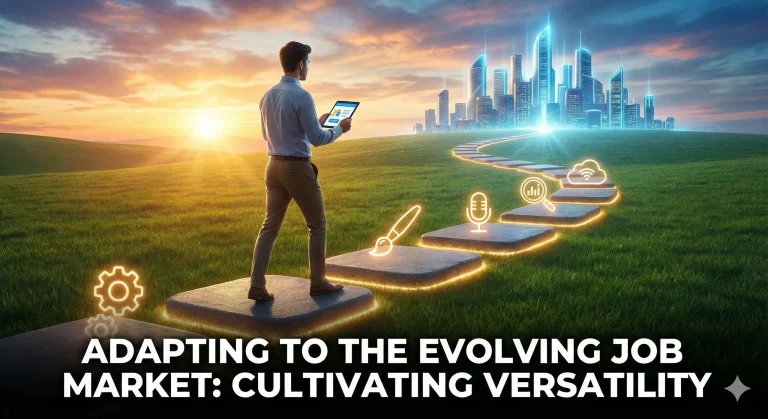
2. No-Code Solutions Architect
What You’ll Do:
You’ll use no-code tools to design, build, and implement software solutions without writing a single line of code. Think Zapier, Webflow, Bubble—these platforms are enabling non-technical people to create powerful apps and platforms.
Why Civil Engineers Should Care:
In construction, no-code tools are game-changers. You could design and deploy software that automates project tracking, manages workflows, or even integrates IoT sensors with construction data.
How to Learn It:
- Bubble and Webflow tutorials.
- Udemy no-code courses for app building.
Zapier University for automating workflows without coding.
3. Growth Hacker / SEO Specialist
What You’ll Do:
You’ll combine data, marketing tactics, and creative strategies to drive online growth for construction tech companies or any product in the built environment. Growth hackers test new digital tactics, use data to measure success, and optimize performance over time.
Why Civil Engineers Should Care:
Construction companies are moving more online, whether it’s marketing new smart building technologies or tracking their projects. A growth hacker who understands how to drive traffic, optimize SEO, and use data to convert leads is a huge asset to any company.
How to Learn It:
- SEO for Beginners by Moz and Ahrefs (free guides).
- Growth hacking bootcamps on Upwork and Skillshare.
Google Analytics and Google Search Console for hands-on experience.
4. Technical Product Manager
What You’ll Do:
As a technical product manager, you’ll bridge the gap between the tech team and the business side. You’ll be the one managing the development of construction tech products, from initial concept to launch and optimization.
Why Civil Engineers Should Care:
The role requires an understanding of both tech and business, and as construction tech rapidly evolves, having someone who can manage product development while keeping an eye on practical needs is invaluable.
How to Learn It:
- Product management courses on Coursera.
- PMI certifications for professional management skills.
Networking with product managers on LinkedIn.

This is the deal. It is insufficient to merely ride out the wave with antiquated degrees in the rapidly evolving construction industry. The construction industry is rapidly evolving, and it is insufficient to merely ride the wave with antiquated degrees. Audit your abilities rather than your credentials to ensure you don’t fall behind. You don’t understand, LeftAudit, your abilities rather than your credentials.
If you continue to believe that “traditional engineering” is You’re missing the point if you’re stuck believing that “traditional engineering” is the only option. the only route, you’re missing the point. These days, mastering technology and being flexible are more important than degrees. Degrees are no longer relevant here. It’s about being flexible and proficient with technology. You don’t need an IoT or AI degree to work as a civil engineer.
You don’t need a degree in AI or IoT to be a civil engineer; instead, you need skills, real-world experience, and a willingness to You require abilities, real-world experience, and an open-minded attitude. earn. Take a look at those 22-year-olds who are earning $100,000 as no-code developers.
They don’t have a conventional career path, but they have valuable skills, and they’re getting hired quickly. Take a look at those 22-year-olds who work as no-code developers and earn $100,000. Although they don’t follow a conventional route, they possess valuable skills. They are also being hired. Quick.
Examine your current skill set, identify any gaps, and consider the Internet of Things and smart construction. Thus, evaluate your present abilities. Look for the gaps. Examine the realm of smart construction and the Internet of Things. There isn’t a better moment to start working.
The future is uncertain, so now is the best time to make the change. The intelligent future is just waiting for you to construct it.

